📋 Quick Info
- 🎯 Best For: Culture and Food Enthusiasts
- ⏱️ Duration: Full Day
- 💰 Budget: ₩75,000 – ₩100,000 (~$65 – $85)
- 📍 Area: N/A
- 🌟 Highlights: Authentic Korean cuisine, historical landmarks, vibrant local markets
Introduction
Korea is a country where ancient traditions seamlessly blend with modernity. Whether you’re a long-term resident or a visitor, Korea offers a unique cultural tapestry that is both intriguing and inviting. This guide is designed for those who want to dive deep into the cultural and culinary wonders of Korea. From exploring historical landmarks that tell the stories of Korea’s rich past to indulging in the mouth-watering flavors of authentic Korean cuisine, this comprehensive day trip will leave you with unforgettable memories. For foreigners, this is an opportunity to experience Korea beyond the typical tourist spots and gain a deeper appreciation for its history, food, and people.
Historical Landmarks (역사적 명소)
⭐ Rating: 4.5 | 📍 Address: N/A
🕐 Hours: Varies by location | 💰 Price: ₩3,000 (~$2.50) per site
Korea’s historical landmarks are a testament to its rich cultural heritage. Start your day with a visit to one of Seoul’s magnificent palaces, such as Gyeongbokgung (경복궁), which was the main royal palace of the Joseon dynasty. The grandeur of the architecture is matched only by the fascinating stories of the kings and queens who once lived there. As you stroll through the palace grounds, you’ll feel as if you’ve stepped back in time.
Next, head to the Bukchon Hanok Village (북촌한옥마을), a charming area that features traditional Korean houses (hanoks) dating back to the Joseon Dynasty. Walking through its narrow alleyways, you can admire the craftsmanship of the hanoks and perhaps visit a traditional tea house for a serene experience.
📸 Best Photo Spots
- The main gate of Gyeongbokgung with guards in traditional attire
- A panoramic view of Bukchon Hanok Village from a high vantage point
Korean Cuisine (한국 요리)
⭐ Rating: 5.0 | 📍 Address: Various Locations
🕐 Hours: 11:00 AM – 10:00 PM | 💰 Price: ₩10,000 – ₩20,000 (~$8 – $17) per meal
No visit to Korea is complete without indulging in its world-renowned cuisine. For lunch, make your way to a bustling local restaurant where you can savor classic dishes such as bulgogi (불고기), bibimbap (비빔밥), or kimchi jjigae (김치찌개). Each dish tells a story of Korea’s culinary evolution and the ingredients that have shaped its flavors over centuries.
If you’re feeling adventurous, try a street food tour in the evening. Sample delights like tteokbokki (떡볶이), hotteok (호떡), and odeng (오뎅) from the vibrant stalls that line the streets. These dishes offer a quick and tasty way to experience Korean food culture.
📸 Best Photo Spots
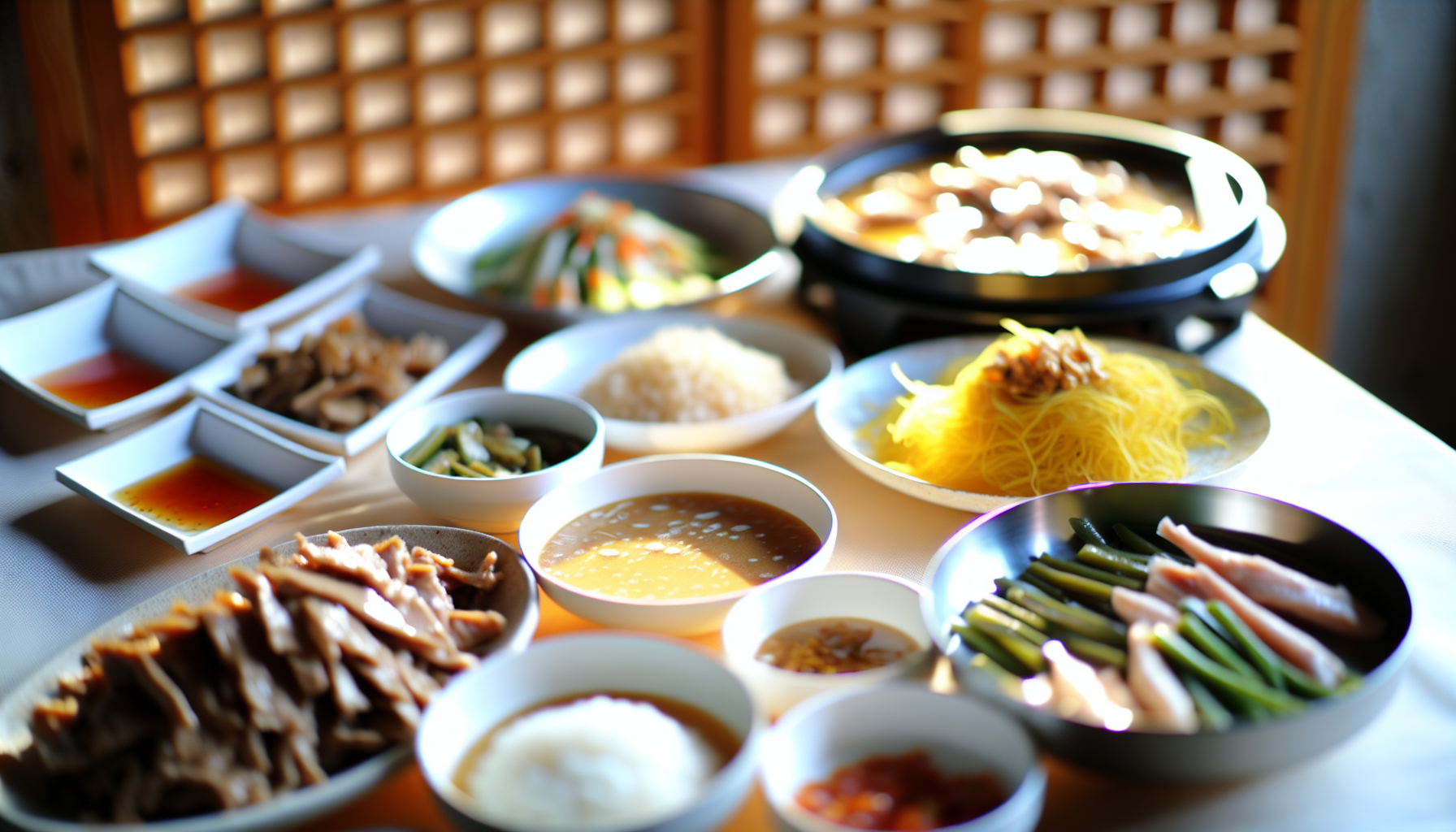
- A colorful display of banchan (side dishes) on a dining table
- Street food vendors with steaming dishes and lively crowds
Local Markets (로컬 마켓)
⭐ Rating: 4.0 | 📍 Address: Various Locations
🕐 Hours: 9:00 AM – 9:00 PM | 💰 Price: Free entry
End your day with a visit to one of Korea’s vibrant local markets. Places like Namdaemun Market (남대문시장) offer a sensory overload with their bustling atmosphere, colorful stalls, and diverse array of products. From fresh produce and traditional crafts to unique souvenirs, these markets are a treasure trove for curious explorers.
Take your time to wander through the aisles, engage with friendly vendors, and perhaps even try your hand at bargaining. It’s a fantastic way to immerse yourself in the local culture and pick up some unique items to remember your trip.
📸 Best Photo Spots
- The vibrant neon signs and bustling crowds of Namdaemun Market at night
- Close-up shots of colorful fabrics and traditional crafts
🗣️ Useful Korean Phrases
Here are essential phrases to help you navigate like a local:
| English |
Korean |
Pronunciation |
| This one, please |
이거 주세요 |
ee-geo ju-se-yo |
| How much is this? |
이거 얼마예요? |
ee-geo eol-ma-ye-yo? |
| Where is the restroom? |
화장실 어디에요? |
hwa-jang-sil eo-di-e-yo? |
| Thank you |
감사합니다 |
gam-sa-ham-ni-da |
| Excuse me |
실례합니다 |
sil-lye-ham-ni-da |
💰 Budget Breakdown
Here’s what to expect to spend:
| Item |
Cost (KRW) |
Cost (USD) |
| Palace Entrance Fee |
₩3,000 |
~$2.50 |
| Lunch |
₩15,000 |
~$12.50 |
| Street Food |
₩10,000 |
~$8.50 |
| Souvenirs |
₩20,000 |
~$17.00 |
| TOTAL (estimated) |
₩48,000 |
~$40.50 |
❓ Frequently Asked Questions
Q: What is the best time to visit Korea?
The best time to visit Korea is during the spring (April to June) or fall (September to November) when the weather is mild and the scenery is breathtaking. These seasons offer the best experiences for outdoor activities and exploring historical sites.
Q: Is English widely spoken in Korea?
While English is taught in schools and many younger Koreans can speak it to some degree, it may not be widely spoken, especially in more rural areas. It’s helpful to know some basic Korean phrases and have a translation app handy.
Q: Are Korean markets cash-only?
Many vendors in traditional markets prefer cash, although some may accept credit cards. It’s a good idea to carry some cash, especially small bills, when visiting local markets.
Q: What are some must-try Korean dishes?
Some must-try Korean dishes include bibimbap, bulgogi, kimchi jjigae, and various street foods like tteokbokki and hotteok. Each dish offers a unique taste experience that’s representative of Korean cuisine.
Q: How can I get around in Korea?
Korea has an extensive public transportation system including subways, buses, and taxis, which are efficient and affordable. The T-money card is a convenient way to pay for public transportation.
Conclusion
Embarking on a cultural and culinary day trip in Korea opens up a world of experiences that are both enriching and delightful. From historical landmarks to the vibrant flavors of Korean cuisine, this journey offers a deeper understanding of Korea’s heritage. Don’t forget to share this guide with fellow travelers and let us know about your adventures in the comments!